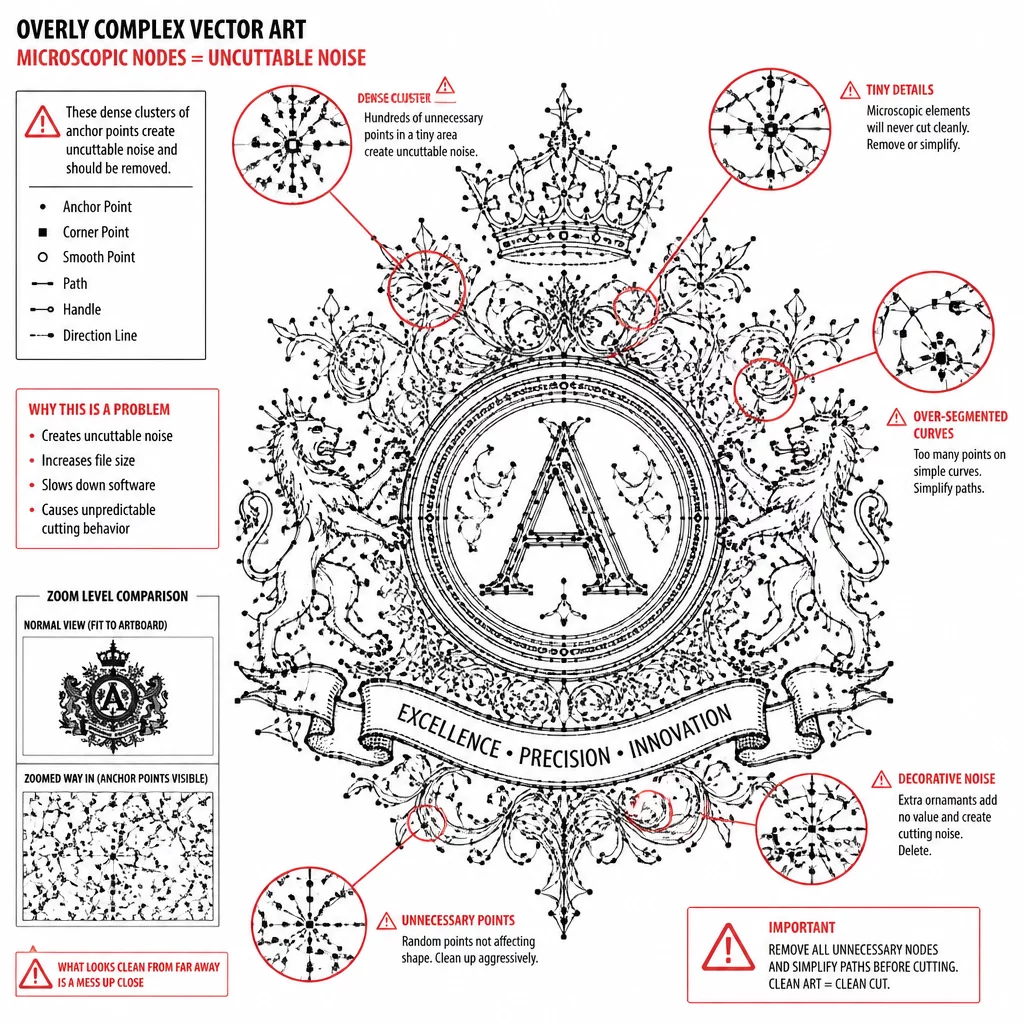
When Decorative Detail Becomes Uncuttable Noise
Evaluating minimum blade turning radii and filtering out microscopic vector artifacts that create drag, media snagging, and blade stalling.
Read Proof BreakdownReal-world teardowns demonstrating how raw visual vector illustrations fail on digital craft cutters and how strict mathematical path preparation helps identify the intended cut boundaries.
Evaluating minimum blade turning radii and filtering out microscopic vector artifacts that create drag, media snagging, and blade stalling.
Read Proof Breakdown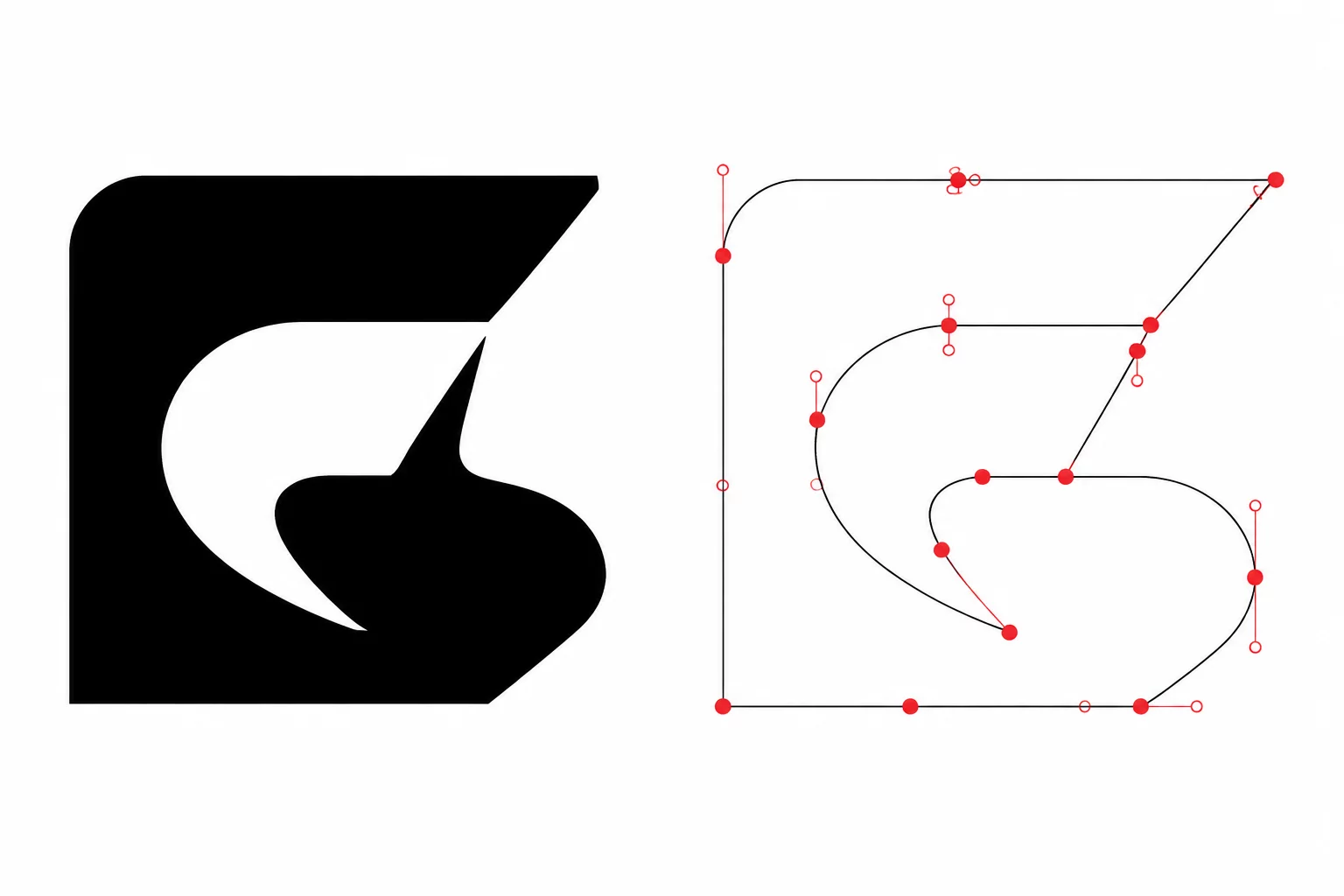
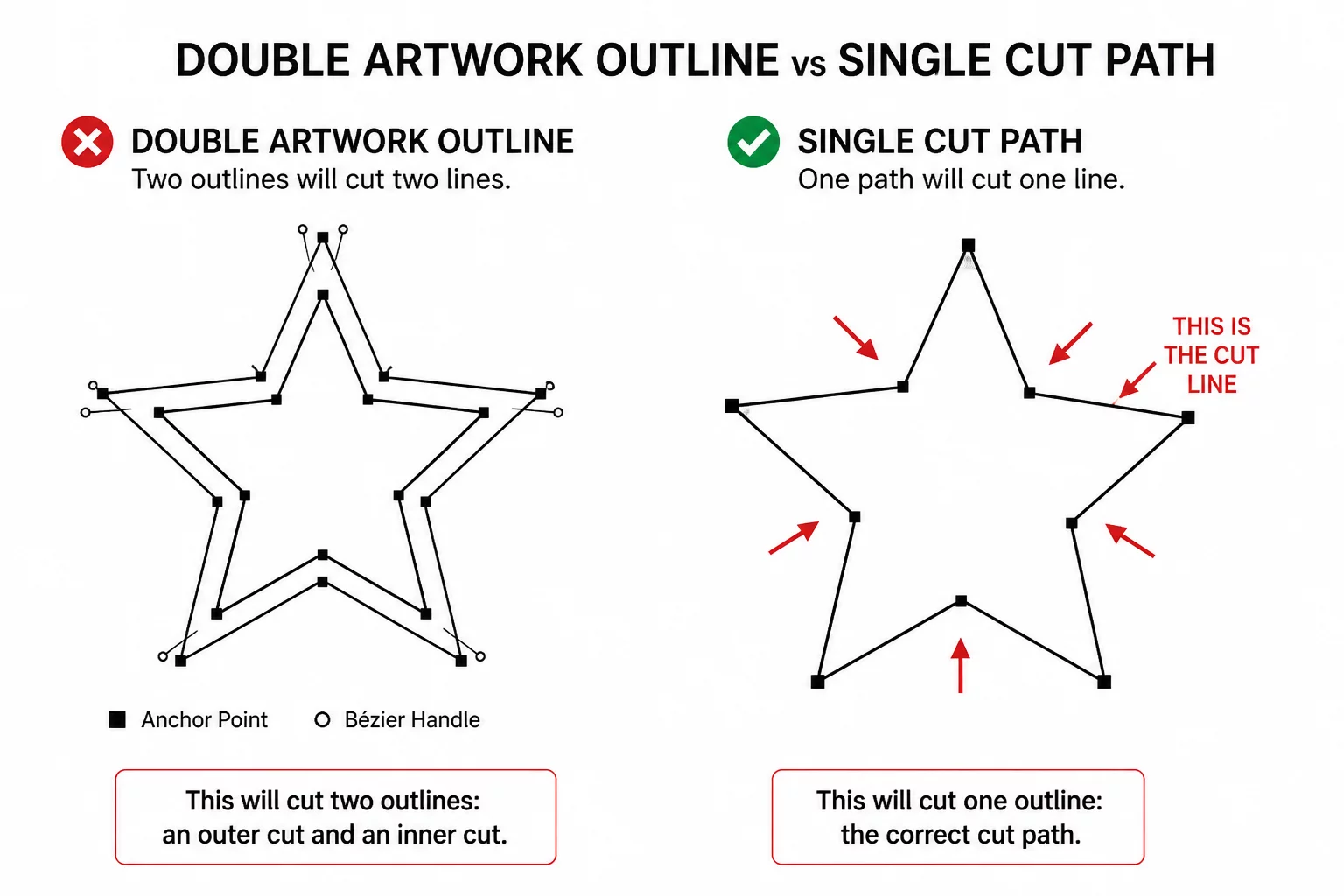
Distinguishing graphic appearance styles from mathematical cut lines to prevent unintentional multiple passes along overlapping fills.
Read Proof Breakdown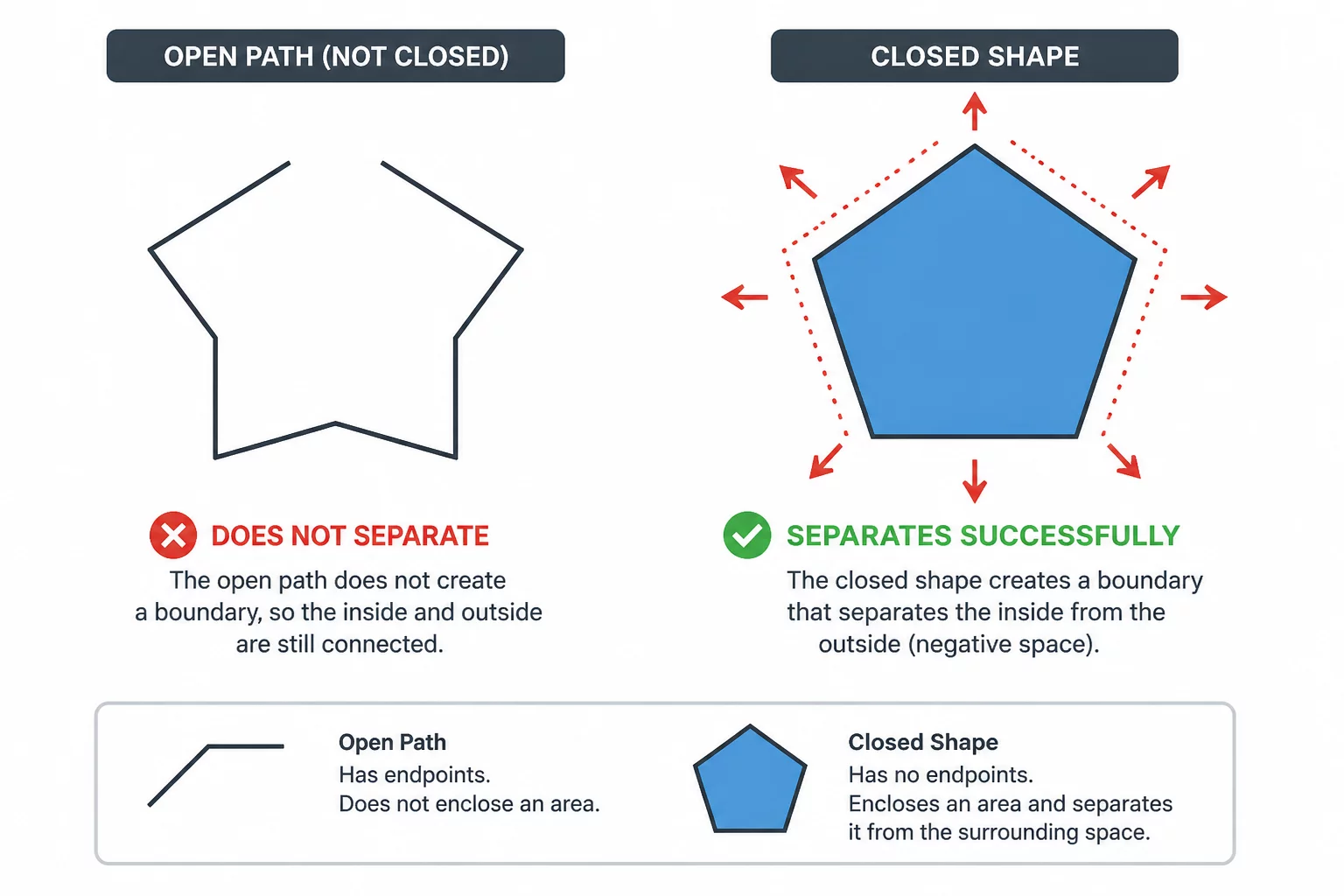
Investigating start-point overlap, node snapping, and path closure requirements to prevent uncut micro-tabs and torn paper edges.
Read Proof Breakdown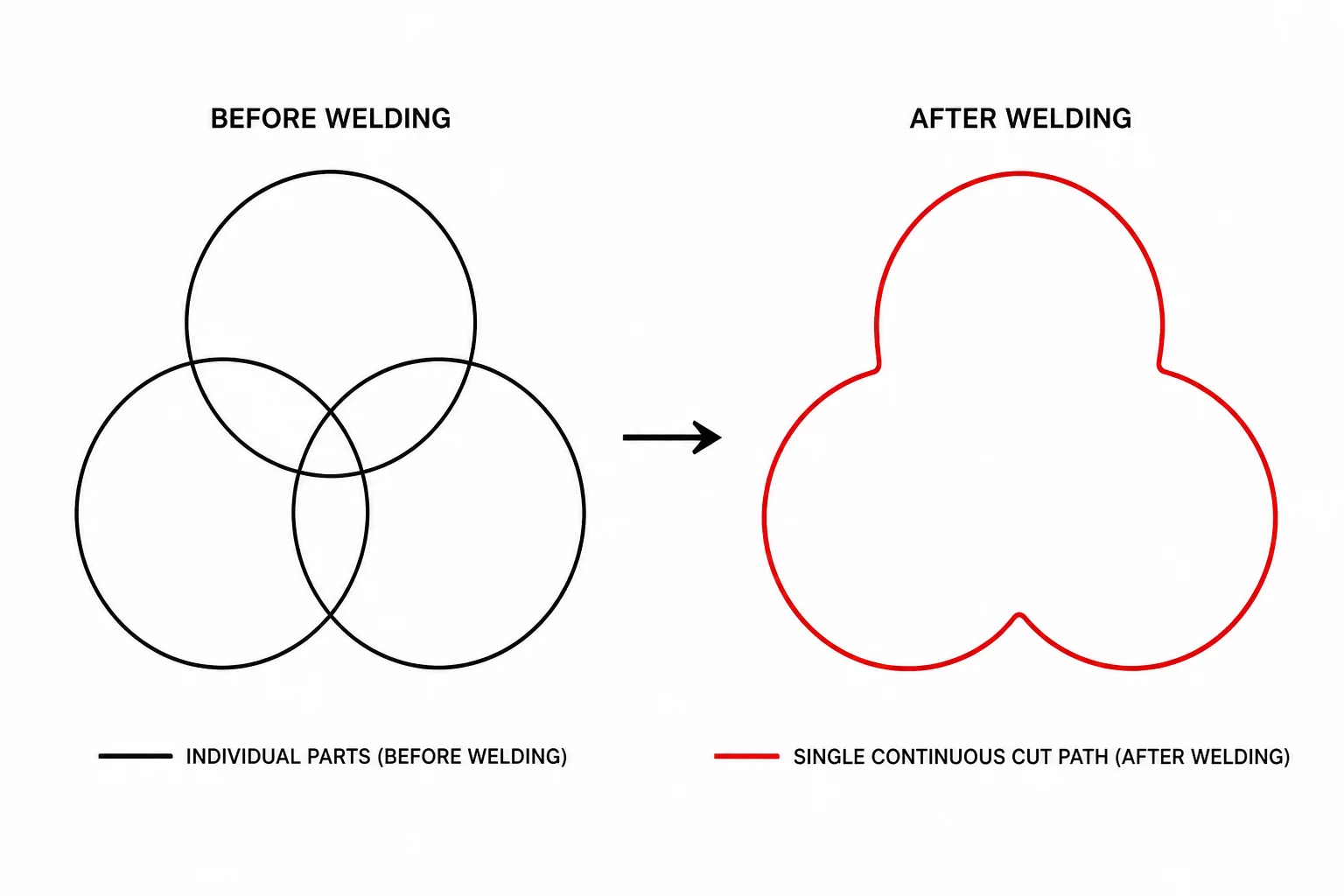
Applying boolean union operations across intersecting vector contours to produce a single continuous outer contour without internal cuts.
Read Proof Breakdown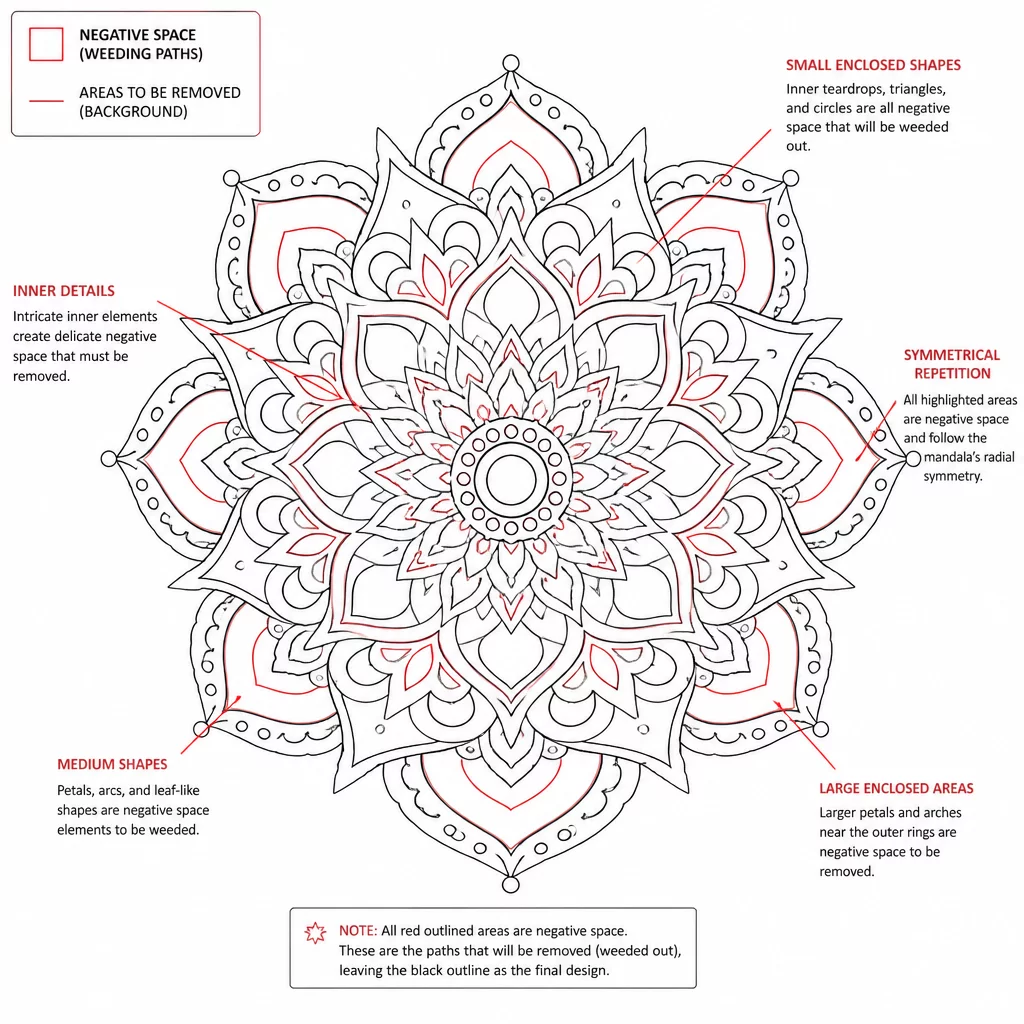
Engineering strategic weeding lines and negative-space channel offsets for intricate radial geometries and adhesive heat transfer films.
Read Proof Breakdown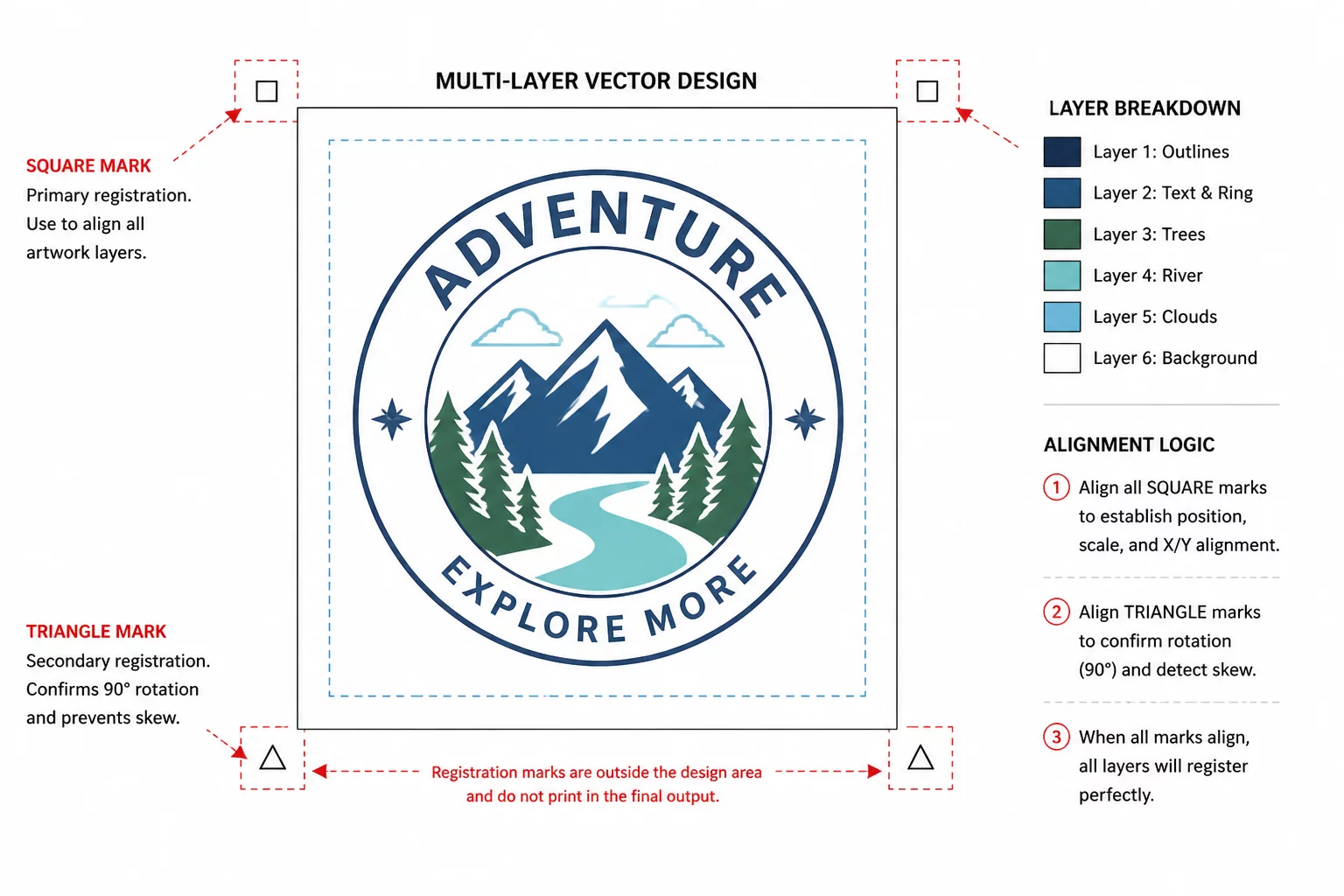
Aligning multi-layer material cuts using geometric bounding targets, compensation margins, and offset tolerance calculations.
Read Proof Breakdown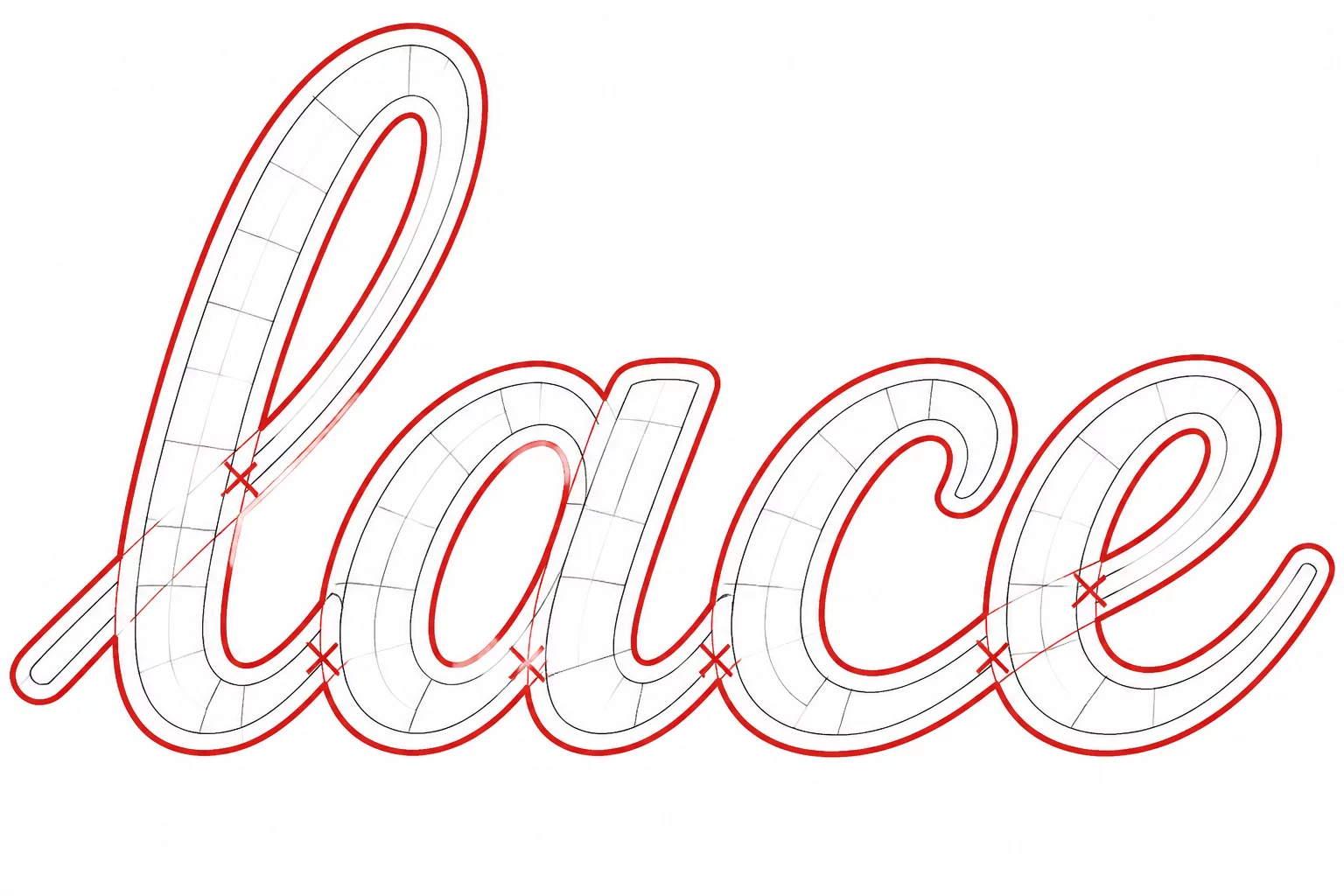
Reinforcing fragile typographic ligatures and delicate stroke intersections to survive blade pressure and weeding removal.
Read Proof BreakdownPlotters interpret vector paths as physical knife trajectories rather than decorative visual rendering. A hairline visual stroke that renders cleanly on screen creates duplicate knife passes and paper shredding unless converted to welded compound boundaries.
Review how these vector geometric theorems map directly into Silhouette Studio cut border tools, weld operations, and offset contours.
Explore Studio Guides